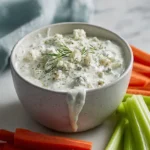
Homemade Ricotta Cheese

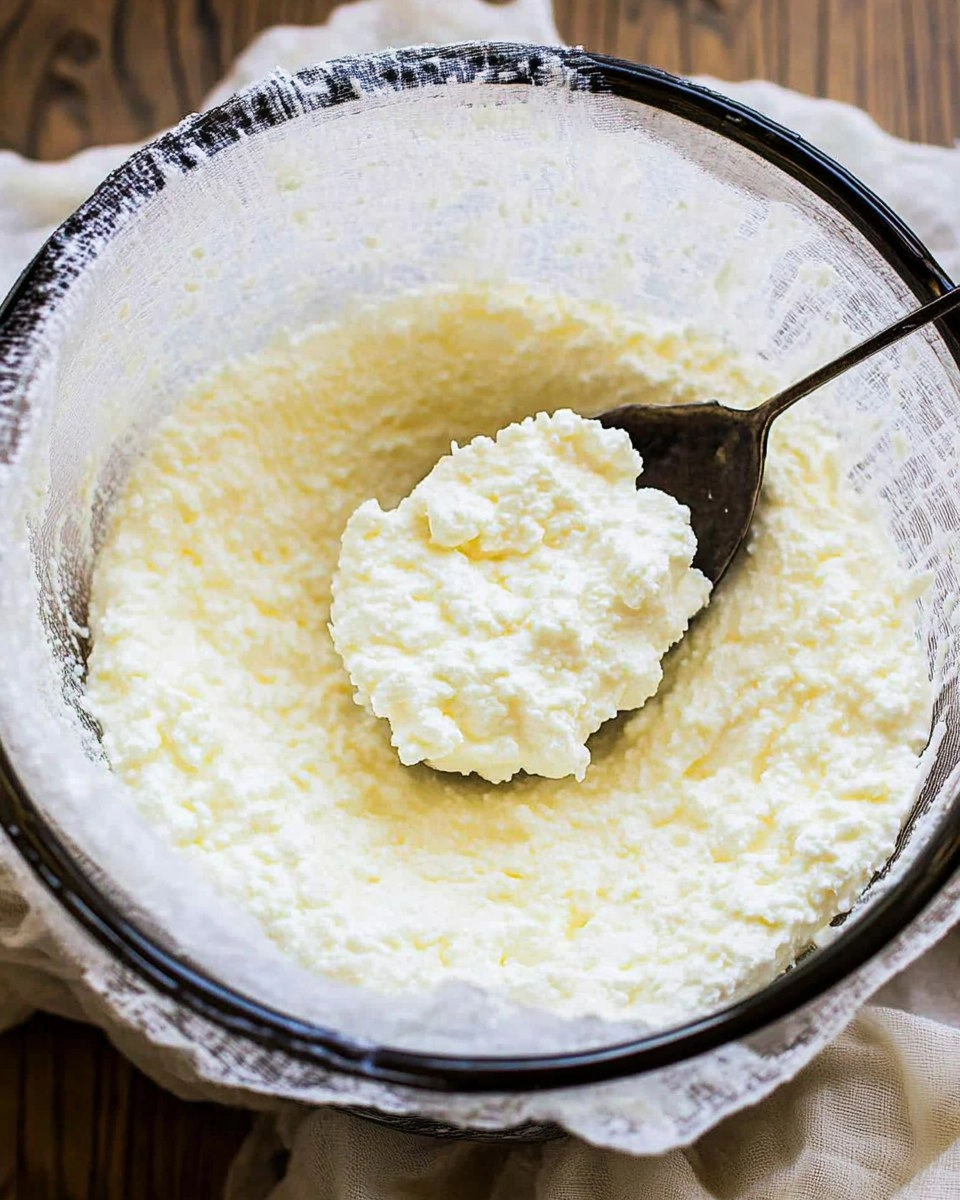
Making your own cheese can seem like a daunting task, but let me tell you, homemade ricotta cheese is one of the simplest cheese recipes you can conquer in your kitchen. The creamy, delicate texture of fresh ricotta is something you just can’t replicate with store-bought varieties. The sheer taste explosion of a warm, buttery spread paired with a piece of crusty bread or drizzled with honey is sure to elevate any meal or snack. It’s absolutely perfect for lasagna, stuffed shells, or simply enjoying with a sprinkle of salt.
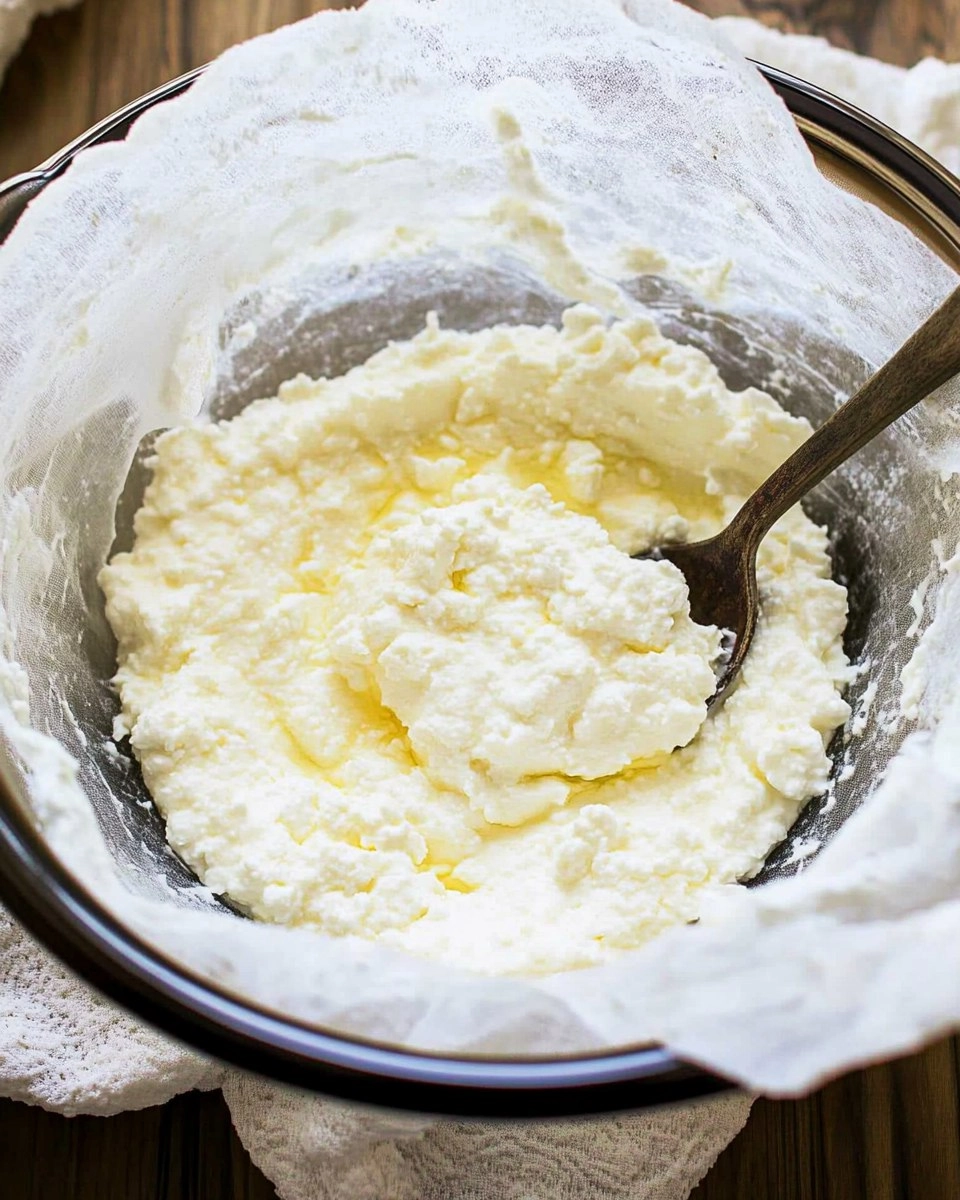
I remember the first time I made this ricotta cheese. It was a rainy day, and I had the craving for something rich and creamy. As the milk and cream simmered gently on the stovetop, I could hardly wait to pull those beautiful curds from the pot. Instant gratification! Trust me, once you try making it yourself, you might never go back to buying it again. It’s easy, it’s fun, and it’s incredibly satisfying to know you created something so divine.
Table of Contents
Why You’ll Love This Recipe
- Simple & Quick: With just 25 minutes from start to finish, you’ll be enjoying fresh cheese in no time.
- Irresistible Flavor: The taste is richer and creamier than anything you can find in a store.
- Eye-Catching Appeal: The sight of those fluffy curds will impress anyone at your dinner table.
- Flexible Serving: Perfect for snacks, party platters, or as an ingredient in countless dishes.
- Diet-Friendly Options: Naturally gluten-free and easy to adjust for lower-fat preferences.
Ingredients You’ll Need
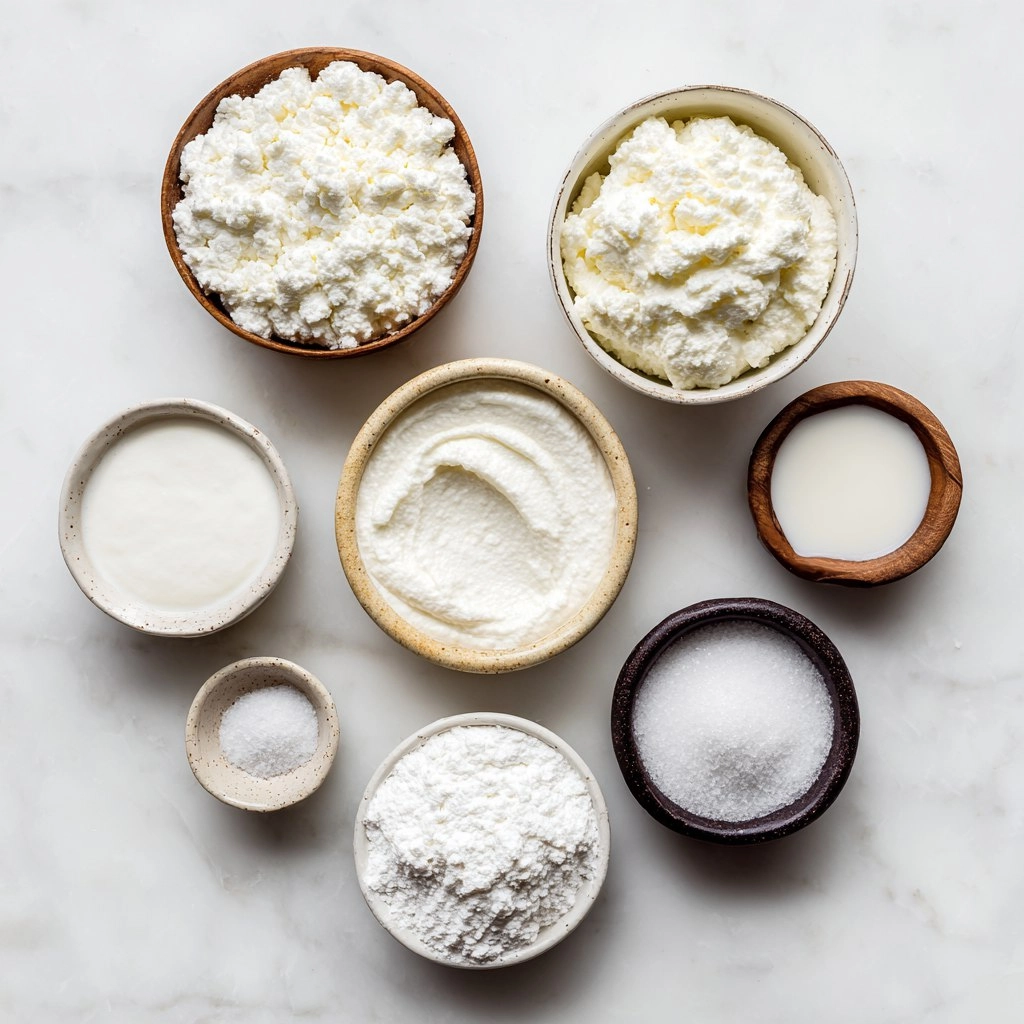
- 8 cups whole milk (not ultra-pasteurized): Whole milk creates the rich flavor and creamy texture we’re after. Stay away from ultra-pasteurized as it won’t curdle properly.
- 2 cups heavy cream: Adds extra richness. You can use half-and-half as an alternative, but your ricotta will be less creamy.
- ¼ cup white vinegar: This acid helps the milk curdle and form those beautiful curds. If you prefer, lemon juice can be swapped in for a slightly different flavor.
- 1½ tsps kosher salt: This enhances the flavor of the ricotta. Feel free to adjust to taste, but kosher or sea salt works best for this recipe.
How to Make Homemade Ricotta Cheese
- Heat the Dairy: In a large heavy-bottomed pot, combine the 8 cups of whole milk and 2 cups of heavy cream. Heat over medium-low heat, stirring occasionally to prevent scorching, until the mixture reaches 180–185°F (82–85°C). It’s important not to let it boil, as you want gentle heating to prevent sticking.
- Prepare the Vinegar Mixture: While the dairy heats, whisk together ¼ cup of white vinegar and 1½ teaspoons of kosher salt in a small bowl until the salt is fully dissolved. This step is essential for ensuring the salt is evenly distributed.
- Combine: Once the dairy reaches the target temperature, remove the pot from the heat. Slowly pour in the vinegar mixture and give one gentle stir with a spoon to distribute it without disrupting the curds too much.
- Curds Form: Let the mixture sit undisturbed for 10–15 minutes. This is when those lovely curds will separate from the whey, so give it some time!
- Drain the Ricotta: Line a large colander with 2–3 layers of fine-mesh cheesecloth or a clean kitchen towel and place it over a large bowl. Carefully ladle or pour the curds and whey into the lined colander.
- Set the Texture: Allow the ricotta to drain for 10–15 minutes for a creamy texture ideal for spreading or 20–30 minutes for a firmer texture that’s better suited for baking.
- Store: Transfer the drained ricotta to an airtight container and refrigerate it. This homemade ricotta may be enjoyed within 5 days, although I doubt it’ll last that long!
Storing & Reheating
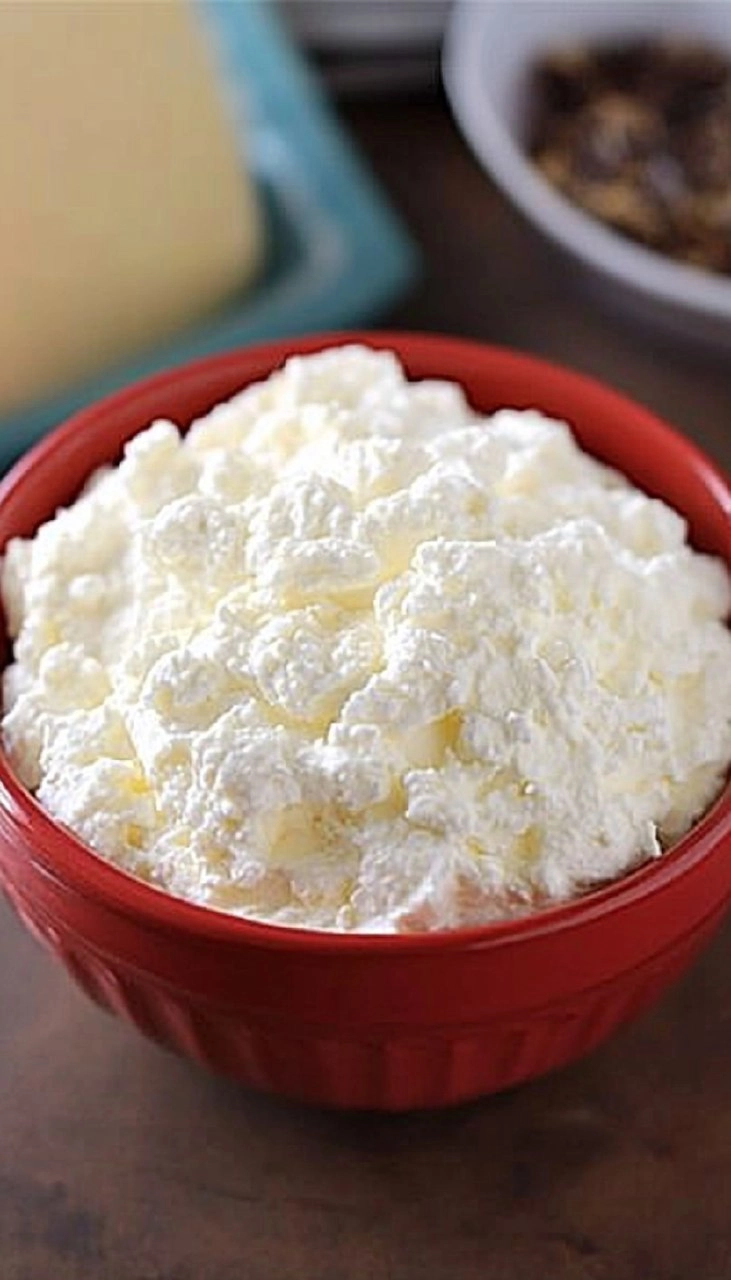
To store your ricotta cheese, place it in an airtight container and refrigerate for up to 5 days. If you need to keep it longer, consider freezing it for up to 3 months. The texture may change slightly upon freezing, but a quick stir will usually revive its creamy consistency. Just avoid reheating it directly on the stove; instead, warm it gently in the microwave in short intervals.
Chef’s Helpful Tips
- Avoid scorching your milk by stirring frequently. If you have a thermometer, it’s a great idea to use it to monitor the temperature closely!
- Be patient when letting the curds separate—rushing this process can lead to a grainy texture.
- If you want a thinner ricotta, don’t drain it too long. Check the texture periodically.
- For extra flavor, consider adding herbs or lemon zest right before serving.
Fresh homemade ricotta is a delightful treat that’s worth every moment spent in the kitchen. The ability to taste the creamy richness of your own creation is truly gratifying. So, whether you’re spreading it on toast for breakfast or layering it in your favorite pasta dish, I hope you enjoy creating this easy, satisfying recipe.
Recipe FAQs
Can I use low-fat milk instead of whole milk?
How do I know when the ricotta is ready?
Can I flavor the ricotta?
What can I do with leftover whey?
More Dinner Recipes
- Baked Manicotti
- Million Dollar Spaghetti
- Seafood Lasagna
- Slow Cooker Ravioli Lasagna
- Zucchini Lasagna Roll Ups
👉 If you make my Homemade Ricotta Cheese recipe, please leave a comment and a star rating — it really helps others discover the recipe.
Follow me on
Pinterest
for more easy recipes.
Homemade Ricotta Cheese
- Prep Time: 5 minutes
- Cook Time: 20 minutes
- Total Time: 25 minutes
- Yield: 2 servings 1x
- Category: Cheese
- Method: Stovetop
- Cuisine: Italian
Description
This Homemade Ricotta Cheese is irresistibly creamy, made with simple ingredients like whole milk and heavy cream. Quick to prepare, it makes a delightful addition to any meal or snack. Enjoy this flavorful and fresh cheese in your favorite dishes or as a delicious spread.
Ingredients
- 8 cups (1.9 l) whole milk (not ultra-pasteurized)
- 2 cups (480 ml) heavy cream
- ¼ cup (60 ml) white vinegar
- 1½ tsps (9 g) kosher salt
Instructions
- In a large heavy-bottomed pot, combine the milk and cream. Heat over medium-low, stirring occasionally, until it reaches 180–185°F (82–85°C). Avoid boiling.
- While heating, mix the vinegar and kosher salt in a small bowl, whisking until the salt dissolves completely.
- Remove the pot from heat once the temperature is reached. Gradually pour in the vinegar mixture and stir gently to mix.
- Let the mixture sit undisturbed for 10–15 minutes to allow curds to form and separate from the whey.
- Place a colander lined with cheesecloth or a clean towel over a large bowl. Pour the curds and whey into the colander carefully.
- Drain for 10–15 minutes for creamy ricotta or 20–30 minutes for a firmer texture suitable for baking.
- Transfer the drained ricotta to an airtight container and refrigerate for use within 5 days.
Notes
Make sure not to use ultra-pasteurized milk, as it affects the curd formation.
Adjust the draining time based on your desired texture for the ricotta.
Nutrition
- Serving Size: 1/2 cup
- Calories: 250
- Sugar: 2g
- Sodium: 360mg
- Fat: 22g
- Saturated Fat: 14g
- Unsaturated Fat: 0g
- Trans Fat: 0g
- Carbohydrates: 3g
- Fiber: 0g
- Protein: 12g
- Cholesterol: 80mg